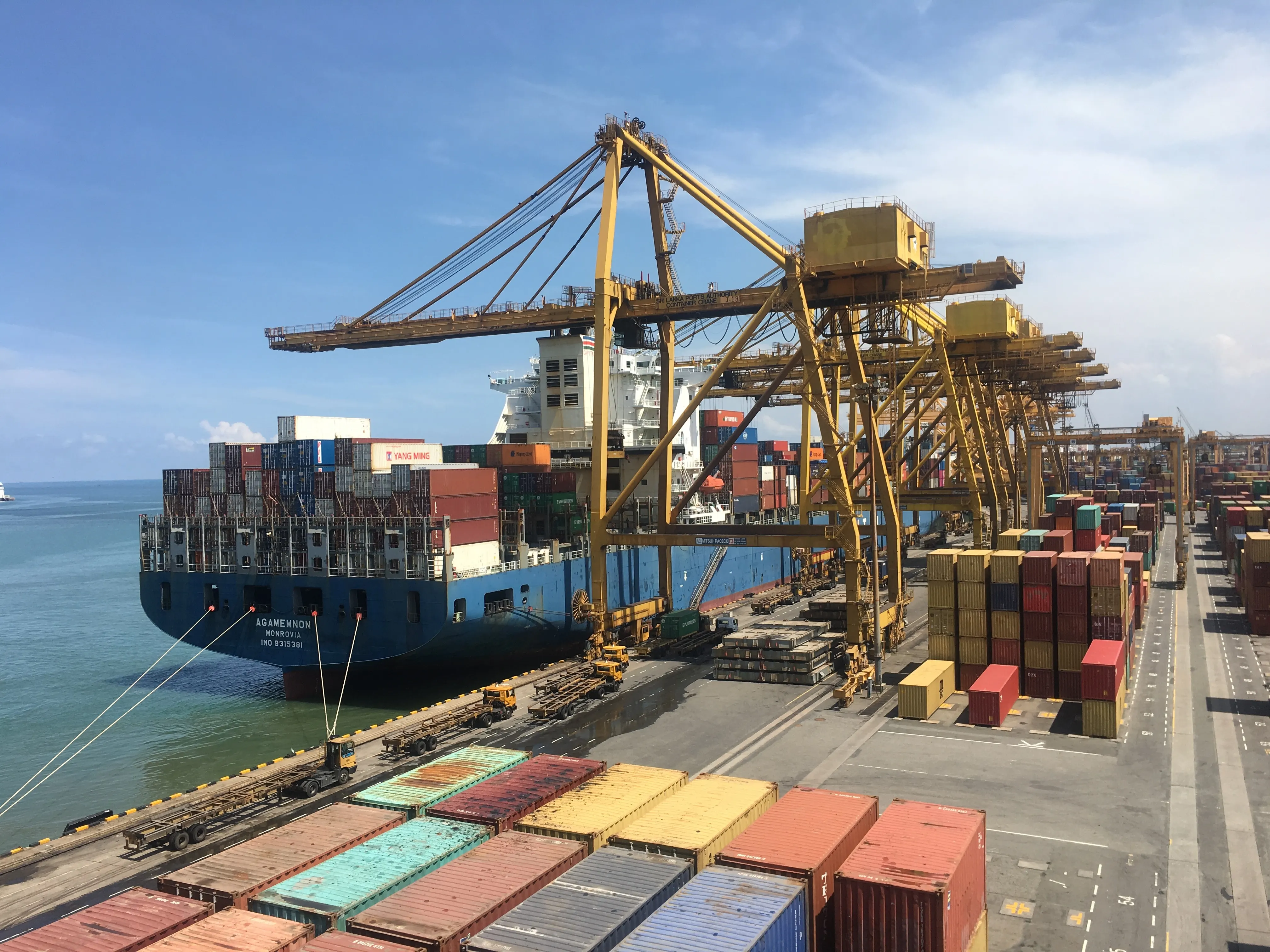
The world is increasingly more connected by the day. Gone are the days when companies stayed within the borders, hiring local talent. As the number of international offices and representatives increases, so does the amount relocating employees from a global talent pool.
Establishing a clientele in one’s own country has become the norm of the past. Even small and medium-sized businesses are engaging in trading overseas and are now in need of international employees.
Global workforce mobility is quite a process. It is not only about shifting an employee to a new place; several necessary and important steps are involved. As an employer, you have to bear in mind that it needs to be as stressless as possible for your employee.
Are you a company that needs to relocate employees? If so, this blog can be useful. It provides helpful information on how to move staff to a new place. As a global mobility solutions firm, we have seen it all.
Here are five essential tips for moving employees to another location.
5 Tips For Relocating Employees
Relocating employees is not only a daunting experience for the employee but the employers too. The employee may feel a mixture of emotions when relocating to a new office. Excitement for a new place or sadness at leaving their family. However, the employer has far more responsibility when moving an employee to a new city, state, or country.
WHR Global has identified five key factors for successful corporate and government employee relocations (domestic and international).
1. Schedule in Advance
It is advisable to start the process early or hire a professional with experience to take care of it all.
Moving to a new place is time-consuming, with all the planning and preparations. This issue increases in importance when an employee needs to be relocated to a new country. This brings in additional logistics like visas, shipping, customs fees, clearances, and transportation.
Apart from these logistics, there are legal angles to it too. If your employee needs a work permit, you have to prove that your company has a corresponding local office. As an employer going through all these physical and legal matters, it can be pretty challenging and time-consuming. As an employer, you have to consider providing your employee with an appropriate relocation package.
The experience is daunting for the employee, who has to run back and forth to get various factors to relocation sorted.
2. Allow Time for Employee to Adjust
Moving to a new place can be a challenge, especially when the culture, food, and language are different. It’s important to be aware of the challenges your employee may face to provide them with the support they need.
Here are a few tips for helping your employee adjust to a new location:
- Provide them with information about the new culture. This can include things like local customs, laws, and etiquette.
- Encourage them to learn the local language. This will help them to communicate with others and feel more integrated into the community.
- Help them to find a place to live. This can be a challenge, especially if they don’t speak the local language.
- Help them to find a job. This can also be a challenge, especially if they don’t have the right qualifications or experience.
- Help them to make friends. This can be difficult, especially if they don’t speak the local language or have any connections in the area.
RMCs can help with everything from finding a place to live to arranging for your employee’s visa.
Relocation can be a stressful time, but by providing your employee with support, you can make it a smoother transition.
Here are some additional tips for helping your employee adjust to a new location:
- Be patient. It takes time for people to adjust to a new culture, so be patient with your employee.
- Be understanding. There will be times when your employee feels homesick or overwhelmed. Be understanding and supportive.
- Be positive. Help your employee to focus on the positive aspects of their new location.
- Be proactive. Reach out to your employee and check in on them regularly.
By following these tips, you can help your employee adjust to their new location and be successful in their new role.
3. Ensure Tax Compliance
When an employee relocates, it can have a significant impact on taxation policy for both the employee and the employer. Company tax can be complex, so it’s important to speak to a tax lawyer to understand how relocation will affect you.
A global mobility company can help you navigate the complex world of taxation by ensuring you’ve achieved tax compliance. They can also help you negotiate favorable tax rates and make sure that your employee is properly compensated for their relocation.
- Here are some of the key things to keep in mind when it comes to relocation taxation:
- The employee’s tax residency status may change. When an employee moves to a new country, they may become a tax resident of that country. This means that they may be subject to taxation on their worldwide income, not just their income from the new country.
The employer may be eligible for tax breaks or deductions. In some cases, the employer may be eligible for tax breaks or deductions for relocation expenses.
With mobile workforces, it’s important to speak to a tax lawyer. A relocation company can also help you navigate the complex world of taxation.
4. Cost of Living
During relocations, it is often important to adjust income to account for the cost of living in that country. The cost of living varies from country to country, so it’s important to do research to ensure fair compensation.
There are a number of online resources that can help you determine the cost of living in a particular country. These resources typically provide information on the cost of housing, food, transportation, and other expenses. You can also use these resources to compare the cost of living in different countries.
Once you’ve determined the cost of living in the new country, you can use this information to adjust your employee’s income. There are a number of factors to consider when making this adjustment, such as the employee’s salary, family size, and lifestyle.
It’s also important to remember that the cost of living can change over time. This means that you may need to adjust your employee’s income on a regular basis.
RMC These companies can help you determine the cost of living in a particular country and adjust your employee’s income accordingly.
Here are some additional tips for adjusting your employee’s income for the cost of living:
- Be fair. Make sure that your employee is being compensated fairly for their work.
- Be transparent. Communicate with your employee about the reasons for the adjustment and how it will affect their paycheck.
- Be flexible. The cost of living can change over time, so be prepared to adjust your employee’s income accordingly.
These tips can help ensure that your employee is fairly compensated and can afford to live comfortably in the new country.
5. Hire A Professional
When relocating an employee to a new country, make sure that they have everything they need for success. Provide them with the right relocation package, prepare them for the new culture, and help them adjust to their new surroundings.
Global Relocation Management Companies (RMCs) can help you with all of this. They have the experience and expertise to make the relocation process as smooth and stress-free as possible.
Here are some of the benefits of hiring a professional relocation company:
- They have the experience and expertise to help you navigate the complex world of international relocation.
- They can help you find the right relocation package for your employee. They do this based on their needs and the cost of living in the new country.
- They can help you prepare your employee for the new culture. This includes providing them with information about the local customs, laws, and etiquette.
- They can help you help your employee adjust to their new surroundings. Such as finding a place to live or getting a visa.
If you’re relocating an employee to a new country, consider working with an RMC.
Final Words
To make the relocation process simple: it helps to contact an expert relocation organization like WHR Global. RMCs can take care of all your move’s necessities.
Global mobility services can provide the best relocation experience because they have experience in the field. They know how to navigate and save time and money for the employer, thus are an affordable and cost-effective option. If you are looking for consistency in relocating employees, WHR Global is available for both domestic and international moves. Give us a call!