What is Relocation Assistance?

A good place to begin a discussion on defining relocation assistance is to briefly discuss why companies relocate employees. Most organizations relocate employees for one or more of the reasons listed below:

    • To attract new talent
    • To fill key positions in different geographic locations
    • To support business expansion
    • To enhance organizational efficiency

If an organization needs to relocate an employee permanently or temporarily, offering relocation assistance can help ease the transition. Relocation assistance programs are designed to reduce the emotional and financial strain that often comes with moving to a new city or country by providing services and guidance throughout the process.

These services and guidance are either coordinated in-house by the HR/Mobility department or through a relocation management company like WHR Global.

Relocation benefits may also be offered to help an employee transition to a new role that requires specialized skills or to enable them to work in high-demand markets.

 

Relocation Assistance

How does a company decide what types of benefits an employee will receive?

Most companies have developed a formal relocation policy (or policies) that outline the specific guidelines and benefits available to an employee in conjunction with a job-related move or assignment. This policy typically details the types of relocation packages available, the scope of services offered, and the eligibility criteria for receiving assistance. Employers may offer different types of relocation packages based on the employee’s level, job role, or distance of the move.

Common relocation packages include the three options below, including: comprehensive full-service relocation plans, lump-sum payment and direct reimbursement.

1) Full-Service Relocation Package:

    • This comprehensive option may cover all aspects of the move, from hiring professional movers to providing temporary housing and helping with home-finding services. For high-level employees, this can also include additional support like spousal job search assistance and school placement for children.

2) Lump-Sum Payment:

    • A lump sum payment provides the employee with a set amount of money to cover their relocation expenses. It offers flexibility but places the responsibility on the employee to manage their moving costs within the given budget. The employee is responsible for any costs over and above the lump sum provided.

3) Direct Reimbursement:

    • This type of relocation support is not as common as those listed above. With a direct reimbursement package, a company will reimburse the employee for their moving-related expenses. Spending limits and the types of incurred costs covered for reimbursement are defined in the relocation policy. These costs are paid by the employee up front and reimbursed by the employer.

      • For U.S. Domestic assignments, benefits included in these packages might include travel allowances, home sale assistance, and the cost of temporary lodging until the employee finds a permanent residence.
      • For an international assignment, benefits may also include immigration assistance, destination services, and cultural/language training assistance.

Cost Perspective and Tax Implications:

  • When receiving relocation assistance, being aware of the potential costs involved is essential. In many cases, employees may be required to sign a repayment agreement. This means that if the employee leaves the company within a certain period after the relocation (usually a year or two), they may be required to pay back a portion or all of the relocation assistance provided to the employer.
  • From a tax perspective, relocation benefits are generally considered taxable income, and employees may need to account for the associated tax burden. Employers may offer a Gross-Up on relocation packages to cover the additional tax cost. A Gross-Up is an amount added to the relocation assistance to help employees offset the taxes owed on the benefit. The specifics of how the Gross-Up works will vary depending on the company’s policy, but it typically ensures that the employee doesn’t have to pay out-of-pocket for the additional tax liability.

Cost Perspective and Tax Implications with relocation assistance

Interactive Employee Relocation Reports

U.S. Domestic Relocation Cost Estimator

US Domestic Relocation Cost Estimator Icon

Interactive Repayment Agreement

Interactive Repayment Agreement Icon

Domestic Relocation Policy Designer

Domestic Relocation-Policy Designer icon

Relocation Benchmark Comparison

Relocation Benchmark Comparison icon

RFP – Relocation Request for Proposal Generator

Relocation Request for Proposal Generator

WHR Global Chooses Recipients of its 2025 Partner in Quality Awards

Milwaukee, February 27, 2025 (CISION/PR NEWSWIRE) – WHR Global (WHR), a global employee relocation industry leader has announced the winners of its 2025 Partner in Quality Award.

These outstanding partners have demonstrated exceptional customer satisfaction and service excellence throughout the year. To qualify for this prestigious award, partners must have completed at least 20 transactions throughout 2024 and ranked within the top one percentile in their service category.

The award recipients listed below have exceeded WHR’s expectations in cost management, customer satisfaction, quality, and supply chain management.

We sincerely thank our global supplier network and recognize these 20 exceptional companies.

Their dedication and commitment to excellence have played a vital role in helping
WHR Global Advance Lives Forward® for countless relocated employees.

Partner-in-Quality-Award-Badge

2025 Partner in Quality Award Winners (in alphabetical order)

At WHR Global (WHR), we relocate families, not files.

We are a private, client-driven global relocation management company known for its best-in-class service delivery and cutting-edge, proprietary technology.

Founded over 30 years ago, WHR has offices in the United States, Switzerland, and Singapore and relocates employees to over 100 countries annually.

WHR remains a trusted leader in global employee relocation, living by its vision
of Advancing Lives Forward® and Making the Complex Simple.

Contact WHR Global today for more information on global mobility and corporate relocation services, follow us on LinkedIn or download our
2024 Global Mobility Benchmark Report.

WHR Global,a leader in global mobility, is an independent, full-service relocation management company with offices in the US, Switzerland, and Singapore. WHR strives to offer cost-effective relocation benefits without compromising empathy, ethics, or service

Understanding the Cost of a Relocation Services RFP 

Issuing a Request for Proposal, (RFP) for relocation services is a significant investment for any organization. It is crucial to understand that issuing an RFP is not just about evaluating Relocation Management Companies (RMCs) but also about the time, effort, and resources to manage the process effectively.

Cost considerations can vary depending on several factors, but direct and indirect costs are generally involved.

These costs stem from the time, resources, and effort required to manage the RFP process. Below are some key considerations in issuing an RFP for relocation services, followed by examples of associated costs and how this investment can lead to long-term benefits for your company.

6 Key Considerations include:

Understanding the Cost of a Relocation Services RFP

1) Internal Resources and Time Commitment

    • Personnel Involvement: The RFP process often requires input from HR/mobility, finance, legal, and procurement departments. Each department may need to review proposals, assess the RMC’s capabilities, and coordinate meetings. Depending on your organization’s structure, this can be a resource-intensive process.
    • Time Investment: The process typically takes several months, depending on the complexity of your relocation program, the staff’s schedules, and the number of proposals received.

2) RMC Selection Process

    • Evaluation: Companies must establish criteria to assess RMCs’ capability of managing their programs, including service offerings, reputation, and past performance. Some organizations do this through a formal Request for Information process.

3) RFP Preparation and Administration

    • Document Drafting and Design: Preparing the RFP requires a comprehensive understanding of your company’s relocation program needs and may include the help of specialized consultants or internal subject-matter experts.
    • Reviewing and Responding to RMC Questions: Clarification questions are part of the RFP process. Upon receipt of the questions from potential RMCs, the company will consult with relevant internal teams and/or subject-matter experts to craft the responses.

4) RMC Proposal Evaluation

    • Time spent reviewing proposals: Reviewing multiple RMC proposals requires time and careful consideration. This is especially true if numerous individuals are involved in the review process. Organizations may allocate time from various departments, including HR/Mobility Managers, Procurement Officers, and finance experts
    • RMC Presentation Costs: In most cases, shortlisted RMCs are invited to present their proposals in person or via virtual meetings. Cost considerations include time spent by internal resources planning and attending the presentation. This includes follow-up discussions.
    • Contract Negotiation: Once the RMC is selected, a detailed contract negotiation occurs, which may involve legal counsel reviewing terms and conditions.

5) Estimated Process Cost

While the cost of the RFP process can vary, companies should be prepared for an investment of anywhere between $30,000 – $40,000 (or more), depending on the scope and complexity of the relocation program being outsourced, the level of internal resource involvement, consultants/advisors involved, and any 3rd party procurement platforms used. For smaller companies with fewer relocations, the cost may be lower. Larger organizations with a high volume of moves may see higher costs due to more complex programs, detailed evaluations, and vendor negotiations.

Cost Example

Below is an example of how RFP costs might break down for a typical relocation RFP for a mid-sized global organization with 100 relocations per year. The costs can be higher for more extensive programs, depending on loaded salary costs, the number of people involved, program complexity, and scale (U.S. Domestic, International, Global).

Resource
Procurement Manager or Equivalent
Global Mobility Manager or Equivalent
Global Mobility Director or Equivalent
Compensation Manager or Equivalent
CHRO or Equivalent
Legal Review
Estimated Hourly Salary
$62
$80
$64
$71
$176
$87
20% Added Benefits
$12
$16
$13
$14
$35
$17
Hourly Weighted Cost
$74
$96
$77
$85
$211
$104
Est. Hours Required for RFP
120
80
80
60
40
40
Weight
100%
100%
100%
100%
100%
40%
Total Cost
$8,928
$7,660
$6,144
$5,100
$8,433
$1,666
Total: $37,951

6) Other Cost Considerations:

    • Opportunity Costs: While more challenging to quantify, the company should also consider the opportunity cost of dedicating resources to the RFP process. During the time spent managing the RFP, these resources may not be available to focus on other vital projects, such as supporting ongoing employee relocation efforts or other core business operations.
    • Consulting or External Expertise Fees: In some cases, companies may hire external consultants or experts to assist with drafting the RFP, evaluating proposals, or providing industry insights. This can add additional costs to the process, ranging from a few thousand dollars to tens of thousands, depending on the level of support required.
    • Software & Tools: If the company chooses to utilize software or platforms to help streamline the RFP process (such as automated RFP platforms, vendor management systems, or third-party procurement tools), there may be additional subscription fees or costs associated with these tools. Depending on the platform, these costs can range from hundreds to several thousand dollars.
Issuing an RFP for relocation services can be a substantial financial and time investment for a company

Issuing an RFP for relocation services can be a substantial financial and time investment for a company.

However, the benefits often far outweigh the costs when the process is conducted strategically by investing the time to evaluate multiple providers and choosing a partner that offers value, high-quality services, long-term flexibility, and better alignment with your company’s needs.

These savings, combined with improved employee satisfaction and retention, can yield a significant return on investment, particularly as your relocation program scales over time. 

WHR Global's Free RFP Generator

Our free tool takes less than 1 minute to complete!

Answer a few simple questions, and you’ll be ready to run your RFP!

WHR Global,a leader in global mobility, is an independent, full-service relocation management company with offices in the US, Switzerland, and Singapore. WHR strives to offer cost-effective relocation benefits without compromising empathy, ethics, or service

Information Systems Security: A Good Defense is a Good Offense

Security – whether online or offline – is extremely important.

According to Identity Theft Resource Center, the number of data breach notices issued in 2024, was 1,350,835,988 (and those are just the ones that were officially reported!).

Every day, we entrust our information to others, hoping that they will keep it safe. But what steps are they really taking? And, are they following through? Just one mistake on the company’s part can leave thousands of individuals primed for an attack.

It’s an epidemic.

That’s why it’s imperative that companies focus on physical, infrastructure, and operational security. As they say, a good defense is a good offense! There are a variety of ways companies can strategically approach security. But to be truly effective, more than one measure should be taken and used in conjunction with the others.

Cyber Security is a top priority for WHR Global and we have always taken proactive measures to secure confidential data for clients and their transferring employees.

Information Handling

    • The way your organization chooses to manage your electronic information is the foundation of a strong security plan. Data encryption translates your data into concealed code, which greatly reduces the vulnerability of attacks from hackers and data thieves. Utilizing a Transport Layer Security (TLS) certificate on your website encrypts any data communicated over the internet.

Secure Infrastructure

    • To keep pace in the ever-changing security landscape, it’s important to have measures in place to protect infrastructure. Firewalls, guest networks, and endpoint protection are additional critical components. Coupled with encrypted backups and off-site storage of information assets, you’re looking even better.

Security Best Practices

    • Organization-level security is important, but a culture of security is also crucial. Best practices surrounding password creation should be relayed to your teams. With the number of online tools available, it is highly likely that your employees are creating their own passwords. Instruct them not to use easily found information (i.e., birthdays, anniversaries, pet names, etc.). You should also host an annual security training to remind your staff of your protocols.

Audit

    • Another way to ensure data is continually protected within your organization is to complete frequent internal and third-party audits. At WHR, we undergo an annual
      SOC® (SSAE18 Type II) audit. A third-party organization extensively evaluates our systems design, operating effectiveness, and internal controls. We elect to participate in this audit to uphold our client commitments to data integrity.

Following Security Regulations

    • Beyond what a company can choose to do, there are many things that companies must do. There are a plethora of security regulations depending on the industry and the type of work completed. The most recent regulation buzzword is “GDPR” – the data protection rules set forth by the EU. Other regulations across many industries include the Federal Information Security Management Act (FISMA), the Health Insurance Portability and Accountability Act (HIPAA), the Family Educational Rights and Privacy Act (FERPA), the Payment Card Industry Data Security Standard (PCI-DSS), the Gramm Leach Bliley Act (GLBA), and so many others.
WHR Global Security Icon

Data Security – A Top Priority at WHR Global

The fact is, data security must be a top business priority and become part of the corporate culture.

It’s something that we take very seriously at WHR Global. We ensure that our employees are up-to-date on information security best practices, not only for our company, but for their personal safety as well.

We understand that we possess sensitive and confidential data relating to our clients and their transferring employees. We have always taken proactive measures to secure information against accidental or unauthorized access, disclosure, modification, or destruction and to assure everyone involved of the availability, confidentiality, and integrity of our data.

A Security Tip from Jeff Beyer,
WHR’s IT Director

Everyone loves online shopping!

It’s important to remember that you’re exposing yourself to threats each and every time you enter your credit card online.

Many sites offer two factor authentication, and I strongly recommend you enable that when possible.

It definitely doesn’t eliminate attacks, but it can help protect you when there is one.

Our Custom Technology Solutions and on-site IT Team are
available to cater to your mobility program’s specific needs:

9 Items to Include in Your Next Relocation Management RFP

If you have ever been through the Request for Proposal, (RFP) process for employee relocation services, you know how stressful and time-consuming it can be.

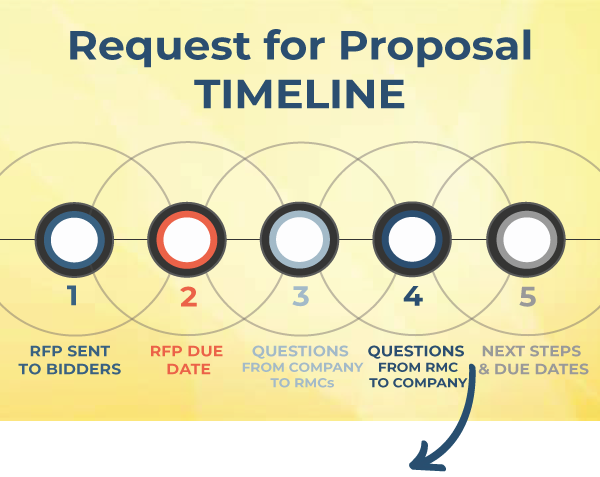
An integral part of every RFP is the detailed timeline.

This timeline explains when the RFP was sent, the due date, when questions are due from bidders, when you are to respond to questions, and dates for the next steps (presentations, start date, and more). However, the timelines often underestimate how long some items take to complete.

Sometimes, Relocation Management Companies (RMCs) will have dozens of questions requiring responses, which can add several business days to the process. This often results in extensions and delays that you did not anticipate when going out to bid.

In this post, we have outlined 9 of the most common questions that RMCs ask after receiving an RFP.

RFP proposal timeline includes deadlines and 9 Items typically asked by RMCs

The 9 questions below are actual questions
from RMCs in actual RFPs from the past 24 months.

The goal should be to answer these questions up front in your RFP before ever sending it to an RMC.

This will save you a significant amount of time during the Q&A process and enable each bidder to provide you with a response that more accurately addresses your needs.

1) Can you please provide copies of your relocation policies?

RMCs require access to your relocation policies or a detailed summary to tailor their pricing and responses accurately to your needs

This is the most commonly asked question.

RMCs want to look at your policies to tailor their responses and pricing to your program. It helps to provide all of your relocation policies or, at a minimum, a detailed summary of your original bid package so that prospective bidders know exactly what you are looking for.

Some RMCs suggest policy changes that suit your needs and budget without adversely impacting the employee’s transition.

2) Do you have any preferred or company-designated third-party suppliers or vendors?  If so, can you please provide the company names?

Including existing relationships and specific requirements in the RFP allows RMCs to show how they’ll work with your current providers and disclose any related management fees.

Typically, RMCs will work with client-designated service providers.

However, they expect your provider(s) to meet their quality standards to maintain a consistent, excellent experience for your relocating employees.

Describing any existing relationships and specific requirements in the RFP gives the RMC an opportunity to demonstrate how they will interact with your existing preferred providers and disclose any associated management fees that may occur. 

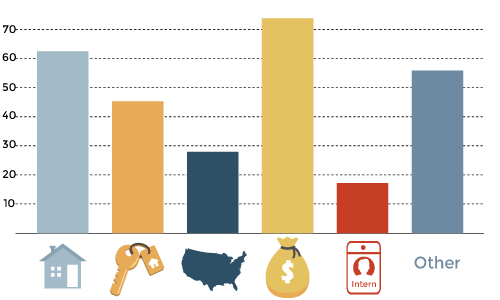
3) What is your annual volume?

Include detailed annual volume information in your RFP and a clear transition profile ensures a more accurate bid.
When answering this question in your RFP, include:

  • Number of homes sold per year
  • Number of renters you relocate
  • Any short-term domestic assignments
  • Lump Sums
  • Internship programs
  • Other relevant information

A precise transition profile results in a more accurate bid response.

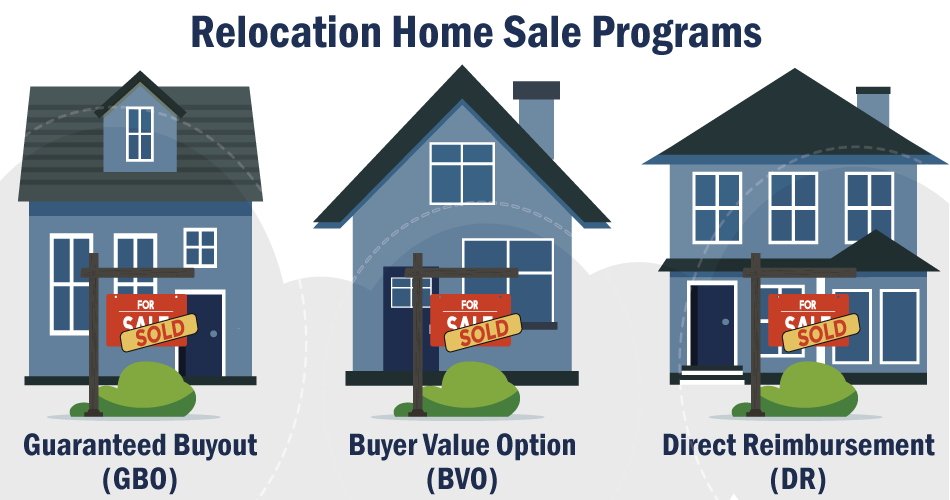
4) What type of home sale benefits does your company offer?

Do you offer Buyer Value Options (BVOs), Guaranteed Buyouts (GBOs), Direct Reimbursement (DR), or marketing assistance only?

    • If so, how many of each do you typically offer in a given year?

This information tells the RMC what areas and processes to focus on in their response and provides the most accurate pricing structure.

An experienced RMC will also help you to evaluate each method and determine which is most beneficial for your company.

5) What is your average home sale price?

Knowing the average home sale price helps each RMC determine a fee structure for your home sale program

This information is essential if you offer home sale benefits to your employees.

  • Knowing the average home sale price helps each RMC determine a fee structure for your home sale program.

Additionally, providing the average home purchase price gives the RMC a good idea of the type of home you are interested in finding for your employee.

6) What are the top challenges that you have with your current program?

Sharing any challenges you're facing and areas for improvement in your RFP allows the RMC to propose solutions that can improve the process for you and your employees.

RMCs are well-acquainted with the myriad of challenges that occur when relocating employees.

  • Do you need help with exceptions or failed relocations/assignments?

Letting the RMC know some of the problems you are having and the areas you would like to see improved in your RFP allows them to suggest solutions that will enhance the process for you and your employees.

7) What are your historical locations?

Including historical information in your RFP helps the RMC identify volume discounts, particularly if you frequently relocate to the same destinations.

Listing out historical information allows the RMC to scout volume discounts, especially if you frequently move to the same location.

  • What are your top departure location(s)?
  • What are your top destination location(s)?
  • Do you have locations that have been historically challenging?
    (e.g., remote/small towns.)

Providing these details enables the RMC to share their knowledge and familiarity with the locations you list and provide any creative solutions to meet the needs of your relocating employees.

8) Will the RMC be taking over any existing files?

It's crucial to inform your prospective RMC whether they will need to take over any ongoing relocations or assignments. If so, specify the number and outline the expectations.

It’s important to let your prospective RMC know whether or not they will be required to take over any existing relocations or assignments. If so, indicate how many and what the expectations will be.

  • Primary considerations for the RMC include where the employee is in the process

    • Domestic – is there a home sale involved?
    • International –  how much time is left on the assignment?

Providing some detail on this upfront in the RFP will enable the RMC to provide you with their criteria, which determines how certain types of files will be transitioned, as well as recommendations for those files that should stay with your current provider until completion.

9) If you have international assignments, does the global scope of work include any compensation services?

By providing detailed information on International assignments, including compensation services, the RMC can share its capabilities and processes and offer accurate pricing for these services.

Compensation services would include:

  • Creating the compensation calculations and balance sheets
  • Updating the balance sheets
  • Tracking the compensation data
  • Working with your payrolls to ensure proper payment and reporting
  • Providing the year-end compensation summary report to your third-party tax provider to prepare the assignee tax return

By providing as much detail as possible about this, the RMC will provide you with its capabilities, processes, and appropriate pricing for this service.

Including all of these points in your RFP does not guarantee
that there will not be any questions.

However, it will make the responses more uniform, reduce the number of questions from the responding RMCs,
save you some time, and ensure that you are comparing similar responses.

WHR Global's Free RFP Generator

Our free tool takes less than 1 minute to complete!

Answer a few simple questions, and you’ll be ready to run your RFP!

WHR Global,a leader in global mobility, is an independent, full-service relocation management company with offices in the US, Switzerland, and Singapore. WHR strives to offer cost-effective relocation benefits without compromising empathy, ethics, or service